What is Homeostasis in Biology: Types, Examples and Importance


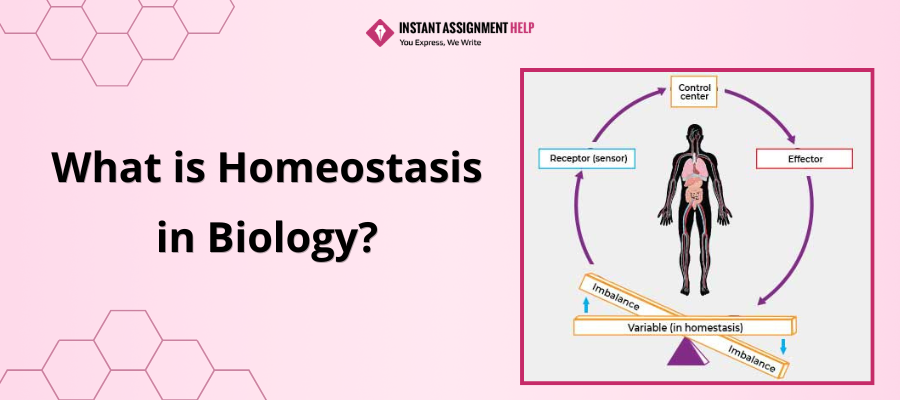
Table of Content
Have you ever wondered how your body holds everything and regulates internal systems? Well, if not, then you must find out “What is Homeostasis in biology?” It helps in maintaining your internal systems and regulating them, allowing an individual to function with their maximum potential. However, it is crucial to keep the internal conditions within a certain range to operate the internal functions properly. Now you must be thinking how to identify these conditions and how to manage the range.
Well, the guide below explains everything, from types to examples and importance to identification of Homeostasis imbalance.
What is Homeostasis in Biology?
Biology students should have heard about Homeostasis because it is a prominent process in the human body that is directly connected to the brain. The name “Homeostasis” was innovated by combining two Greek words that represent “equal” & “holding something still”. Alternatively, it means maintaining a balanced state.
However, in biology or the human body, it indicates having the correct balance to function properly, everything that an individual need. Moreover, if you are constantly thinking of topics to do my assignment on biology, then you can use this topic to create an impactful project. Now, let's study different types of Homeostasis to enhance your understanding of this topic.
What are the Different Types of Homeostasis?
There are several regulatory procedures that take place in an individual's body to balance physical or chemical parameters. Typically, it has three separate processes and is considered one of the crucial GCSE biology topics. These processes include:
- Thermoregulation - This is an internal process that takes place inside a human body and is responsible for managing the right temperature of a living organism. It works through a negative feedback loop. For instance, when your body temperature increases, thermoregulation works to bring your temperature back to normal. This process is maintained by various body organs, such as adipose tissue of the integumentary system and skin.
- Osmoregulation - The method of maintaining a persistent osmotic pressure within a body is known as osmoregulation, which is done by balancing the concentration of salts and fluids. This process focuses on removing excessive water, molecules or ions to handle osmotic balance. Understanding this topic can provide crucial coursework help to students because it is a significant topic in biology.
- Chemical Regulation - This part of homeostasis focuses on balancing the essential concentration of carbon dioxide and glucose in the human body through the production of hormones. During the process of chemical regulation, an individual may experience increased blood sugar or increased breathing rate. However, the chemical regulation starts its work and regulates these systems to normalise them at an usual speed.
Importance of Homeostasis in Human Body
Now that you have understood what is homeostasis in biology and its types, let's find out its importance in the human body. Being one of the most critical methods to maintain the internal environment, it focuses on stabilising the interior function of individuals, making it vital for:
Cellular Function
Cells require certain conditions to function properly. Homeostasis ensures these conditions that allow cells to perform each function efficiently. It includes balancing proper pH, nutrient and temperature levels, helping cells to create energy, proteins and synthesise. This balance is crucial for operating organs and tissues without disruptions. Disruptions in homeostasis can lead to several diseases.
These topics provide crucial biology assignment help to students by offering an easy and interesting topic to make an effective project.
Fluid Balance & Waste Management
Maintaining fluid stability is crucial for transporting hormones, oxygen and nutrients to cells while removing excess products. Homeostasis regulates salts, water and electrolytes through the kidneys, making it crucial to handle vital body functions. Moreover, effective waste management helps in preventing toxin buildup in cells.
Enzyme Activity
Homeostasis is crucial to ensure enzymes function under suitable conditions, such as proper pH and temperature. Enzymes are vital for controlling chemical reactions, including metabolism, cell signalling, and digestion.
However, due to disruption in the internal environment, enzymes may become inactive or slow down, indicating why homeostasis is important. It will affect the overall cellular and metabolic efficiency, leading to several health issues.
What is homeostasis GCSE biology?
Many students wonder what is homeostasis GCSE as they think it covers different concepts. But it is the same. Instead, they should learn about the key topics that students can encounter in their GCSE biology exam and why these topics are crucial. Students can expect questions based on:
- Negative Feedback - Students preparing for homeostasis GCSE biology need to understand the basics of this topic, which focuses on maintaining a constant internal condition in the human body, especially when the ideal conditions of the body change.
- Thermoregulation - Questions based on thermoregulation, such as OCR, Edexcel or AQA, rely strongly on negative feedback tools, including key questions such as how the body of an individual responds to different environments.
- Blood Glucose Control - Students can expect questions regarding the blood glucose regulator, such as hormonal control function or pathways to maintain low blood levels. Moreover, they can see questions of data interpretation that require students to analyse test results of glucose tolerance, etc.
- Nervous Vs. Endocrine System - This homeostasis GCSE topic asks questions to compare the endocrine and nervous systems. It emphasises key variations in duration, process and speed of signal transmission.
Conclusion
In a nutshell, understanding what is homeostasis in biology is crucial because it is one of the fundamental processes. It allows people to engage in different activities by maintaining a balance between the internal and external temperature of the body. Developing knowledge in this topic helps students to create a logical framework for comprehending how human bodies react and adapt to changes. Moreover, students pursuing nursing or other medical degrees often ask to prepare an assignment on this topic.
However, even after complete understanding, they struggle when working on these projects. That's when they seek nursing assignment help from our expert writers. If you are one of them, remember we are just a click away!
You may also like to read: 70+ Interesting Medical Research Topics and Ideas
Was This Blog Helpful?


Most Popular Questions Searched By Students
- What Is Homeostasis in Biology?
Homeostasis is a critical process through which biological systems of the human body maintain a constant and stable internal environment despite multiple external changes. It keeps necessary variables, such as nutrient levels, temperature and pH within a survival and optimal range through a negative feedback process. - What Are 5 Examples of Homeostasis?
Key examples of homeostasis include, sweating (thermoregulation), water retention (osmotic balance), blood sugar regulation (glucagon/ insulin), blood pressure management and pH regulation. - What Are the Stages of Homeostasis?
Homeostasis process is usually maintained through three vital stages, which include receptor detection (sensing), control centre integration (processing) and effector action (responding). These stages function in a constant and negative feedback loop to keep the internal environment of the human body stable.
- What Topics are in Homeostasis GCSE?
S Positive feedback in Homeostasis amplifies a change and moves the body away from the starting state to complete a certain process. On the other hand, negative feedback emphasises maintaining stability by reserving a transformation through bringing the body back to a specific set point. - What is the difference between homeostasis and allostasis?
Homeostasis works to maintain a stability in internal temperature, while allostasis focuses on attaining stability by changing internal body conditions. - What is homeostasis NHS?
Homeostasis in the NHS is the body’s process to maintain a balanced internal condition automatically, even when there is a change in the external environment. It controls critical factors in the body, such as blood sugar, water levels and temperature.





Get 5% Cashback
On App - Grab it while it lasts!

Download app now (or) Scan the QR code



Login / Sign up
Get Your Free Dissertation Outline NOW !Congratulations!
Check Your Registered Mail for download

- Plagiarism
- Pricing
- Order Now
- Call Back